

A smooth, comfortable ride & safe driving depend on more than just the engine or brakes. One of the often-overlooked aspects of vehicle maintenance is car tyre balancing. Proper tyre balancing ensures that the weight of the tyre & wheel assembly is evenly distributed, reducing vibrations, uneven tyre wear, & strain on suspension components. This article will help you through essential tyre balancing tips to maintain vehicle safety and comfort.
Understanding Tyre Balancing
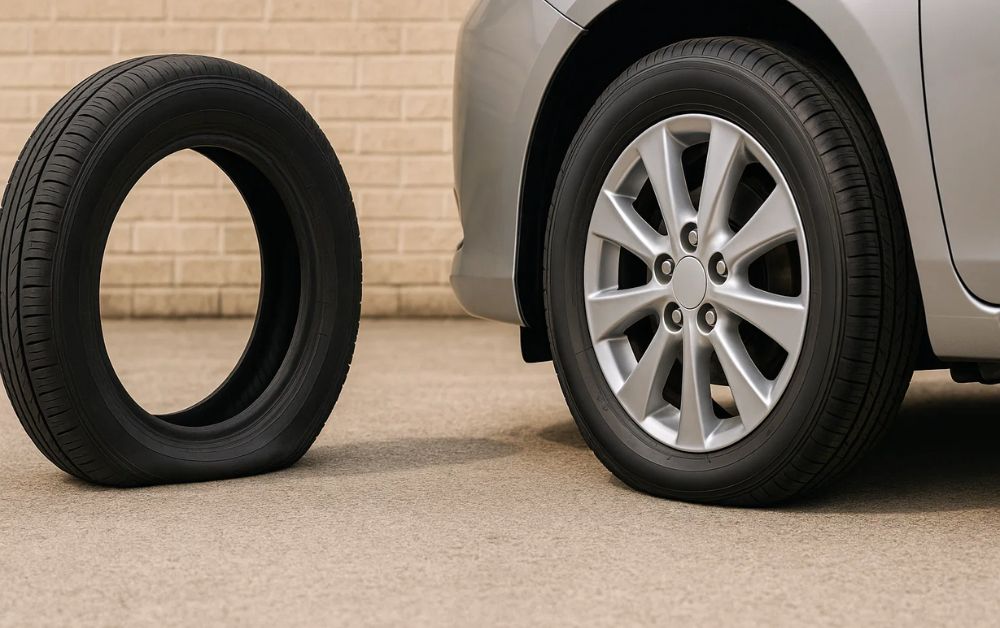
But before you get to the tips, it’s worth noting what tyre balancing is and why it matters. Tyre balance is just what it sounds like – the ‘balancing’ of a tyre and wheel assembly so that it rotates evenly at high speed. If your tyre is not balanced, it will cause the steering wheel to shake, lead to uneven wear on the tyre, and potentially result in further damage to the suspension system. Tyres that are balanced also help the fuel economy of your vehicle and make your ride smoother on the road.
Signs Your Tyres Need Balancing
The first step to driving safely is being aware of the symptoms of unbalanced tyres. Here are some common indicators:
1. Vibrations While Driving
If you feel vibrations in the steering, floorboard, or seat, mainly at higher speeds, it could mean that a tyre is out of balance.
2. Uneven Tyre Wear
Check your tyres regularly. Premature wear (such as cupping and scalloping) on tyres may also be caused by unbalanced wheels.
3. Pulling to One Side
An unbalanced tyre can affect vehicle alignment, causing the car to pull to one side while driving, making handling more difficult and potentially unsafe.
4. Noisy Ride
Thumping or humming noises coming from the tyres while driving may also signal an imbalance. Early detection can prevent further damage.
How Often Should You Balance Your Tyres?
Tyre balancing is not a one-time task. It should be performed regularly to maintain optimal performance. Consider the following guidelines:
- Every 5,000 to 6,000 miles: This is mainly aligned with tyre rotation schedules.
- After installing new tyres: New tyres should always be balanced to prevent vibrations & uneven wear.
- After hitting a pothole or curb: Sudden impacts can throw off tyre balance.
- If you notice any signs of imbalance: Do not wait for scheduled maintenance; addressing the issue promptly ensures safety.
Tyre Balancing Tips for a Smooth Ride
Proper maintenance & timely action can significantly enhance the effectiveness of tyre balancing. Here are main tips:
1. Rotate Your Tyres Regularly
Rotating your tyres ensures even wear across all four wheels, making balancing more effective. Typically, tyre rotation is recommended every 5,000 – 6,000 miles or as per to your vehicle manufacturer’s guidelines.
2. Check Tyre Pressure Frequently
Correct tyre pressure is must. Overinflated or underinflated tyres can affect weight distribution and lead to imbalance. Use a reliable tyre gauge to maintain manufacturer-recommended pressure.
3. Inspect Tyres for Damage
Check your tyres frequently for any cuts, punctures, bulges, or foreign objects. Tires with damage make it difficult to create a balance and also pose a potential danger, even if the adjustment was made relatively recently.
4. Use Quality Tyres
High-quality tyres provide more predictable weight distribution and make the car easier to steer. Quality tyres are built precisely to balance them longer when tightened.
5. Choose Professional Balancing Services
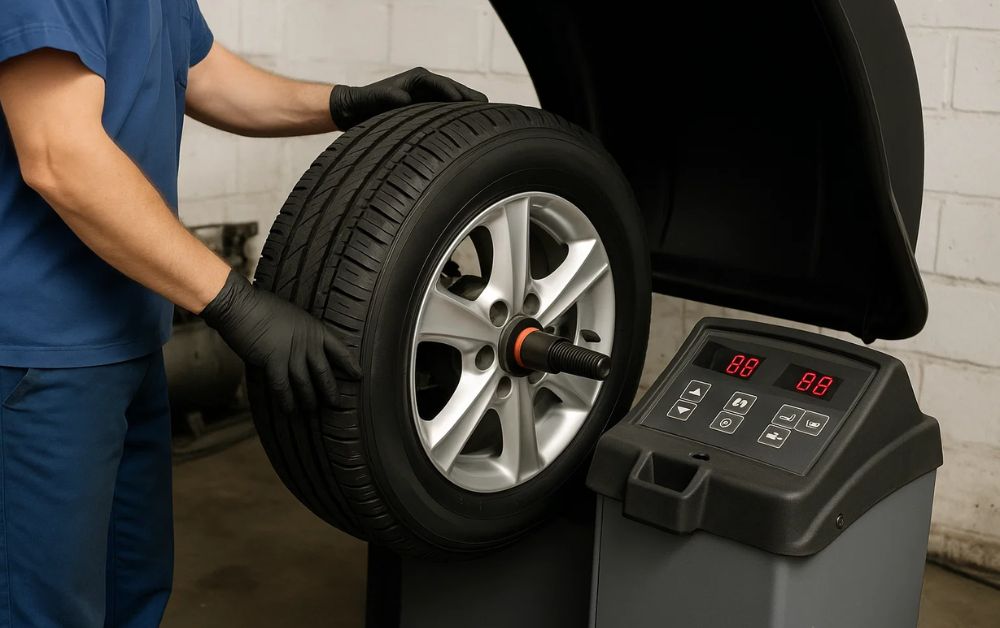
While DIY kits are available, professional equipment guarantees accurate balancing, proper weight application, and thorough checks. Professional cleaners can also spot problems that would be missed during an at-home inspection.
6. Avoid Overloading Your Vehicle
Being overweight can put strain on your tyres and also your balance. Observe the vehicle’s load capacity as referred to your vehicle owner’s guide for proper recommendations.
7. Address Alignment Issues
Tyre alignment works with tyre balancing. When wheels are not properly aligned, they can wear irregularly, making your vehicle uncomfortable to drive. Regular alignment checks are essential.
Suggested Read – How Car Tyrе Balancing Can Improvе You’re Driving Expеriеncе?
Benefits of Proper Tyre Balancing
There’s more to balancing your tyres than simply enjoying a comfortable ride. Here are some notable benefits:
- Longer Tyre Life: Weight is spread evenly across the tire, resulting in more even wear or none at all.
- Increased safety: Less vibration means better grip and breaking, reducing the risk of accidents.
- Increased Fuel Efficiency: Properly balanced tires can decrease rolling resistance, resulting in lower gas usage.
- Enhanced Comfort: The vibration-free and smooth driving is great for driver and vehicle comfort.
- Vehicle Parts Protection: Balancing tires reduces wear and tear on suspension, steering components, and wheel bearings, decreasing the cost of vehicle maintenance over time.
Common Mistakes to Avoid
Even with the greatest care, a number of common mistakes can prevent an excellent tyre balance:
- Ignoring Regular Inspections: Failing to conduct regular checks can lead to excessive vehicle or tire damage.
- Neglecting Vibrations: Give attention to even minor vibrations, as they can develop into major problems.
- DIY Balancing with Inadequate Tools: Home kits may not produce the same level of precision as professional balancing.
- Under-inflated and Unequalized Tyres: Failing to maintain the correct tyre pressure will cause an imbalance, which reduces balance.
When to Seek Professional Help
Most minor problems can and should be treated at home, but if:
- No loss is encountered from the cycle or changing tyre pressure.
- We’re not able to run two tyres evenly across, even with cautions.
- You have new tires or wheels.
- You’ve struck a curb or pothole with some force.
Specialist tyre fitters possess the skills and technology to perform accurate wheel balances, thereby promoting both safety and the longevity of the tyre.
In Conclusion
Proper tyre balancing is must for a smooth, safe, & efficient driving experience. By recognizing the signs of imbalance, performing regular maintenance, and seeking professional services when needed, you can extend tyre life, improve handling, & enhance overall safety on the road.
For expert car tyre balancing services & high-quality tyres in Abu Dhabi, trust Arabian Star Tyres to provide professional care and ensure your vehicle delivers a safe and comfortable ride every time.