

Why Regular Tyre Balancing Matters for Safety and Fuel Efficiency?
Your car’s tyres play a far bigger role than most drivers realize. They are not just about grip or traction — they directly influence safety, fuel efficiency, & even how comfortable your ride feels. Yet, tyre care is often neglected until something goes wrong. Regular tyre balancing is one of those simple maintenance steps that can make a world of difference in how your car performs and how long your tyres last.
What Exactly Is Tyre Balancing?
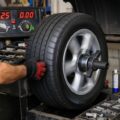
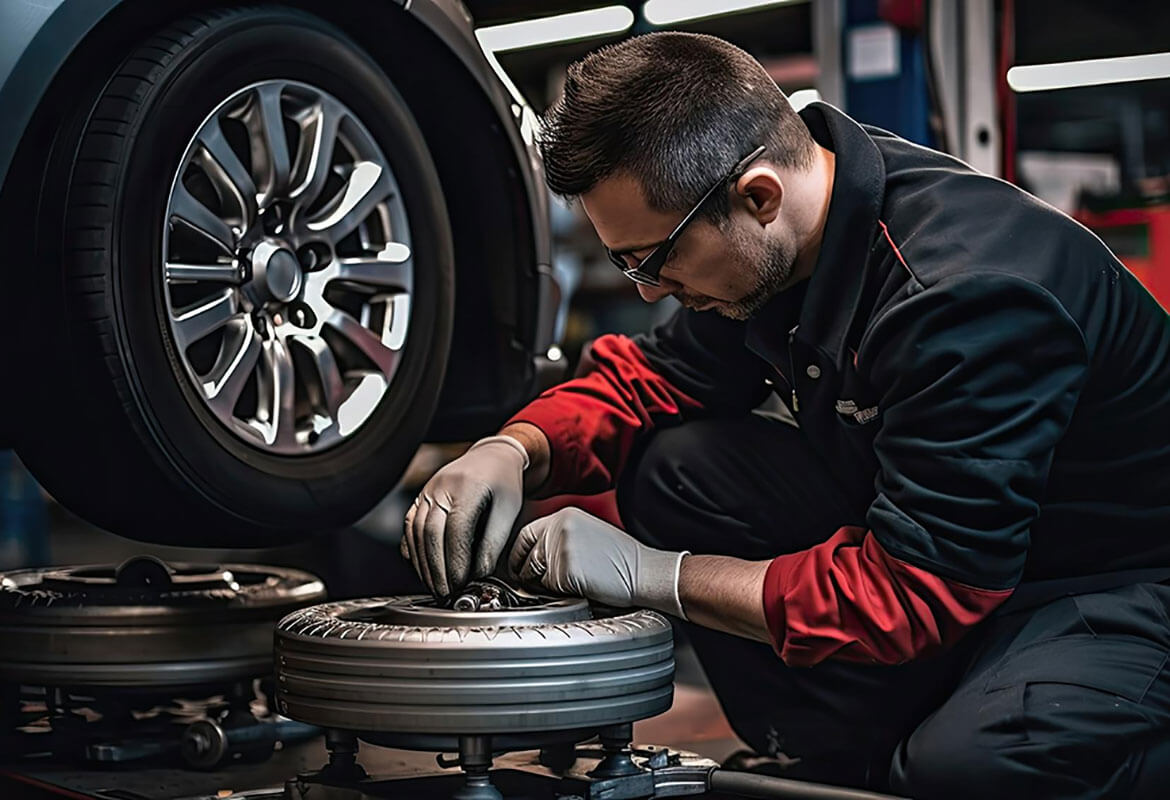
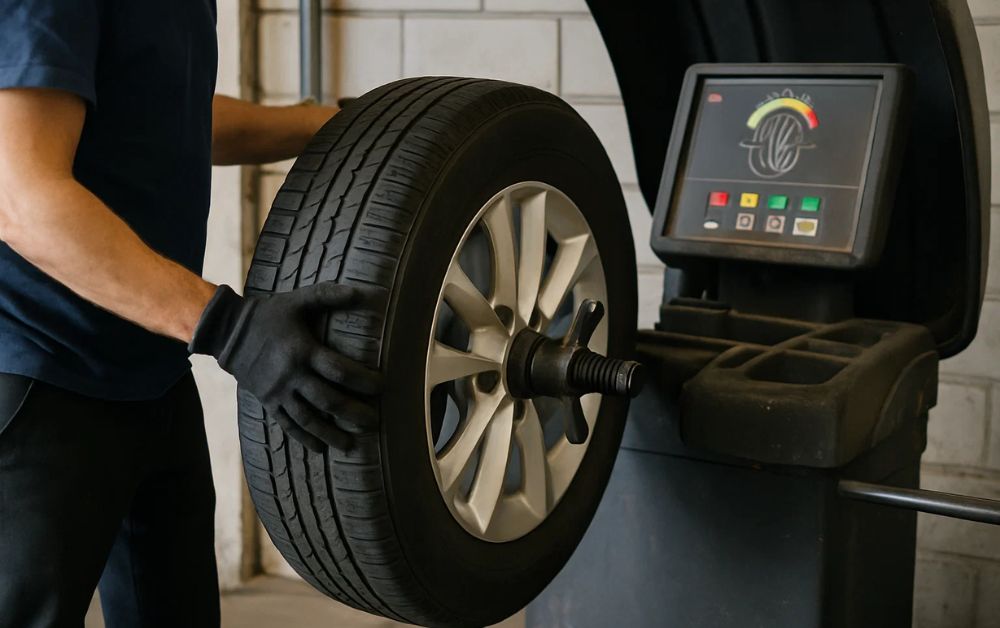
Tyre balancing is the process of evenly distributing the weight of a tyre & wheel assembly. Even though tyres look identical, slight variations in weight are common. When they’re mounted on the wheels, these imbalances can cause vibrations — especially as you speed up.
To fix this, technicians add tiny counterweights to ensure every wheel spins evenly around the axle. It might seem like a minor adjustment, but the difference it makes in ride comfort, handling, and fuel efficiency is significant.
Safety Benefits You Can’t Ignore
Well-balanced tyres are vital for maintaining vehicle control & preventing unnecessary wear. Here’s how proper balancing keeps you safe on the road:
- Improved handling: Balanced tyres help your vehicle grip the road better and respond predictably to steering, especially at higher speeds.
- Reduced vibrations: Unbalanced wheels often cause the steering wheel or floorboard to shake — an early sign something’s off.
- Even tyre wear: When tyres wear evenly, they last longer and reduce the risk of blowouts or loss of traction.
- Protection for suspension and steering: Persistent vibrations can damage suspension parts and steering components over time, leading to costly repairs.
Regular balancing ensures your tyres and mechanical systems stay in sync, keeping your car stable, safe, & smooth to drive.
How Tyre Balancing Improves Fuel Efficiency
An imbalanced tyre doesn’t just affect handling — it also impacts your wallet. When tyres aren’t balanced, the uneven rotation creates more rolling resistance, forcing your engine to task harder & burn more fuel.
With proper balance, you can expect:
- Better fuel economy: Reduced resistance means your car moves more efficiently with less energy.
- Smoother performance: A balanced ride decrease strain on the drivetrain & suspension.
- Extended tyre life: Tyres wear evenly, saving you money on replacements.
Over time, regular tyre balancing pays for itself through fuel savings & longer tyre lifespan.
Common Signs Your Tyres Need Balancing
Your car often gives subtle hints when something’s wrong. Watch out for these telltale signs of imbalance:
- Steering wheel vibration: Noticeable shaking, above 80 km/h, is a common symptom.
- Uneven tyre wear: One side of the tyre wearing out faster than the other is a red flag.
- Drifting or pulling: If your vehicle veers slightly to one side, it may need balancing or alignment.
- Unusual noises: Humming or thumping sounds from the wheels often indicate imbalance.
Addressing these signs early prevents more serious issues down the road.
How Often Should You Balance Your Tyres?
Experts recommend getting your tyres balanced every 6,000 to 10,000 kilometers, or whenever you fit new tyres or repair a puncture. However, if you drive frequently on uneven roads or carry heavy loads, you should do it more often.
Including tyre balancing as part of your routine service schedule ensures consistent performance and comfort year-round.
DIY vs. Professional Tyre Balancing
While some car enthusiasts might consider doing it themselves, tyre balancing is best left to professionals.
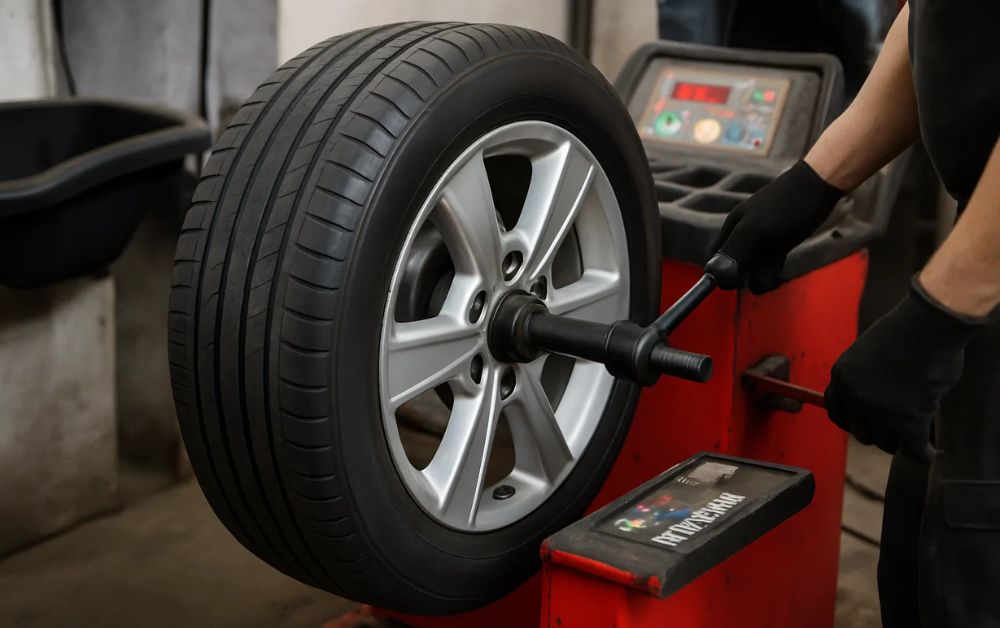
- Professional service: Auto workshops use advanced balancing machines to detect even the slightest imbalance and add precise counterweights.
- DIY limitations: Without specialized tools, it’s almost impossible to achieve perfect balance — and improper attempts can make the issue worse.
Professional balancing ensures accuracy, safety, & optimal results every time.
Smart Tips for Maintaining Balanced Tyres
Keeping your tyres balanced is just one piece of the tyre maintenance puzzle. Combine it with these habits for the best results:
- Rotate your tyres regularly: every 8,000 to 10,000 km.
- Check air pressure often: Incorrect tyre pressure throws off balance & shortens tyre life.
- Avoid overloading: Heavy loads can strain tyres and affect their weight distribution.
- Inspect your suspension: Worn suspension parts can cause an imbalance even after balancing.
These small steps can greatly enhance tyre performance, ride comfort, and safety.
Environmental and Cost Advantages
Properly balanced tyres don’t just save you money — they’re also better for the environment.
- Lower emissions: Reduced fuel consumption means fewer carbon emissions.
- Less waste: Even wear extends tyre life, reducing the frequency of tyre replacements.
- Fewer repairs: Balanced tyres protect critical components, minimizing maintenance costs.
In short, regular balancing supports a greener, more cost-effective way to drive.
Final Thoughts
Regular tyre balancing may not seem such as a big deal, but it plays a significant role in how your car performs, how safe it is, & how much you spend on fuel & maintenance. From smoother rides to better fuel economy & longer-lasting tyres, the benefits speak for themselves. If you’re in Dubai and need expert car tyre balancing services, Arabian Star Tyre Trading gives professional, precise, and affordable solutions for all vehicle types. With modern equipment & experienced technicians, we make sure your ride stays safe, efficient, and perfectly balanced — every kilometer of the way.